The Five Pillars of Islam Explained Through Qur’an and Sunnah
In Islam, the five pillars lay the foundation of the religion for all the believers. Even though they might seem like rituals, they are much more than that. These pillars provide a complete framework for Muslims that strengthens their relationship with the Almighty. Following these rituals is also essential for obtaining rewards in this world and the hereafter, according to these beliefs. For a complete understanding, you must know the five pillars of Islam, as explained in the Qur’an and Sunnah.
Following and practising all five pillars is essential for every practising Muslim. It determines a person’s Muslim identity and provides an understanding of the rewards promised by the Almighty. Numerous references in the Qur’an and Sunnah provide believers with insight into the significance of each pillar. Here is a comprehensive blog post on the five pillars of Islam, with explanations from the Qur’an and Sunnah for your understanding.
First Pillar: The Shahadah
Shahadah is the declaration of faith. The Islamic belief and faith start with the Shahadah. Below is a supplication that Muslims use to declare their faith.
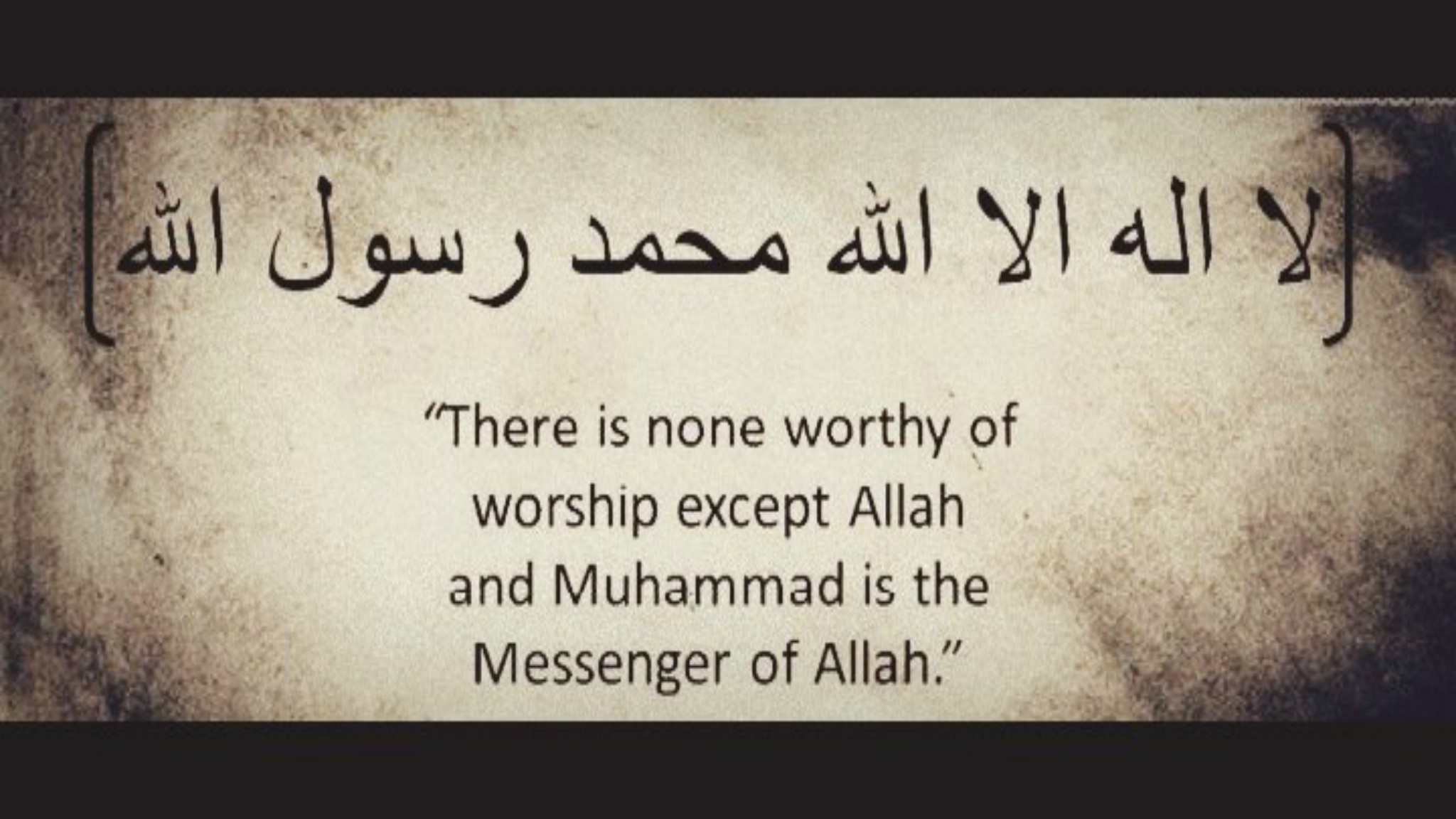
“Lā ilāha illa Allāh, Muhammadur Rasūl Allāh.”
There is no deity worthy of worship except Allah, and Muhammad (ﷺ) is His Messenger.
Meaning & Significance of Shahadah
By saying this declaration, you enter the circle of Islam. It is the basis of the monotheistic religion of Allah Almighty, and whoever claims that only He is worth worshipping and the Prophet (SAW) who preached His religion is His last Prophet, makes that person a believer. It wouldn’t be wrong to say that Shahadah is the entry point in Islam.
Evidence From Qur’an & Hadith
In the Holy Quran, Allah Almighty says:
- “So know that there is no deity except Allah.” (Qur’an 47:19)
- “Muhammad is the Messenger of Allah.” (Qur’an 48:29)
Here is the Hadith of Prophet Muhammad (SAW) that provides an insight into the significance of Hadith.
- “Islam is built upon five: the testimony that none has the right to be worshipped but Allah and that Muhammad is His Messenger…” (Sahih Muslim)
Second Pillar: Salah
Salah, or the five daily prayers, is the second pillar of Islam. All Muslims must perform all five prayers in a day.
Meaning & Significance of Salah
Muslims believe that Salah is a means of communicating with the Almighty. It is a beautiful way to connect with the Almighty. Every Muslim has an equal chance to get closer to the Almighty through Salah. It cultivates humility and discipline, two prominent virtues in Islam. You become much more spiritually grounded by offering all five of your prayers. This also reminds you of your true purpose in life: to worship the Almighty.
Evidence From Qur’an & Hadith
There are many instances in the Holy Qur’an in which Allah Almighty commands all the believers to be punctual and consistent with their daily prayers. Some of those verses are listed below.
“Establish the prayer… indeed, prayer prohibits immorality and wrongdoing.” (Qur’an 29:45)
“Indeed, prayer has been prescribed upon the believers at fixed times.” (Qur’an 4:103)
Third Pillar: Zakat
Zakat is an obligatory charity. Islam has a beautiful community spirit. It encourages the circulation of wealth. Zakat is a great way to redistribute wealth from the rich to the poor, helping maintain a good balance in society.
Meaning & Significance of Zakat
Although it might seem like Zakat only strengthens community welfare, Islamically, it is much more than that. It is a source of wealth purification and poverty reduction. Additionally, as Muslims give their wealth to please the Almighty, they have an opportunity to demonstrate their devotion and receive enduring rewards. Also, through Zakat, Muslims learn that true blessings and happiness come from sharing. It teaches you empathy, responsibility, and brotherhood.
Evidence From Qur’an & Sunnah
Here is what Allah Almighty says about Zakat in the Holy Qur’an.
- “And establish prayer and give zakat.” (Qur’an 2:110)
- Zakat is mentioned 30+ times in the Qur’an, often paired with Salah.
The Prophet (ﷺ) sent Mu‘adh (RA) to Yemen, instructing him:
- “…Tell them that Allah has made Zakat obligatory upon them, taken from their rich and given to their poor.” (Bukhari)
Fourth Pillar: Sawm
Sawm refers to fasting. Muslims get a whole month of fasting, Ramadan. This is known as the most blessed month when the doors of forgiveness open and the rewards of every good deed are multiplied.
Meaning & Significance of Sawm
Sawm, or fasting, not only purifies the body but also the soul. There is no better way to learn the ultimate lesson of patience and self-control than by fasting. Not only that, but you also learn empathy towards the poor, which also cultivates gratitude towards your own blessings.
Evidence From Qur’an & Sunnah
Here is what Allah Almighty says about fasting in the Holy Qur’an.
- “O you who believe! Fasting is prescribed for you as it was prescribed for those before you, so that you may become righteous.” (Qur’an 2:183)
The Prophet (ﷺ) said:
“Whoever fasts Ramadan out of faith and hoping for reward, his past sins will be forgiven.” (Bukhari & Muslim)
Fifth Pillar: Hajj
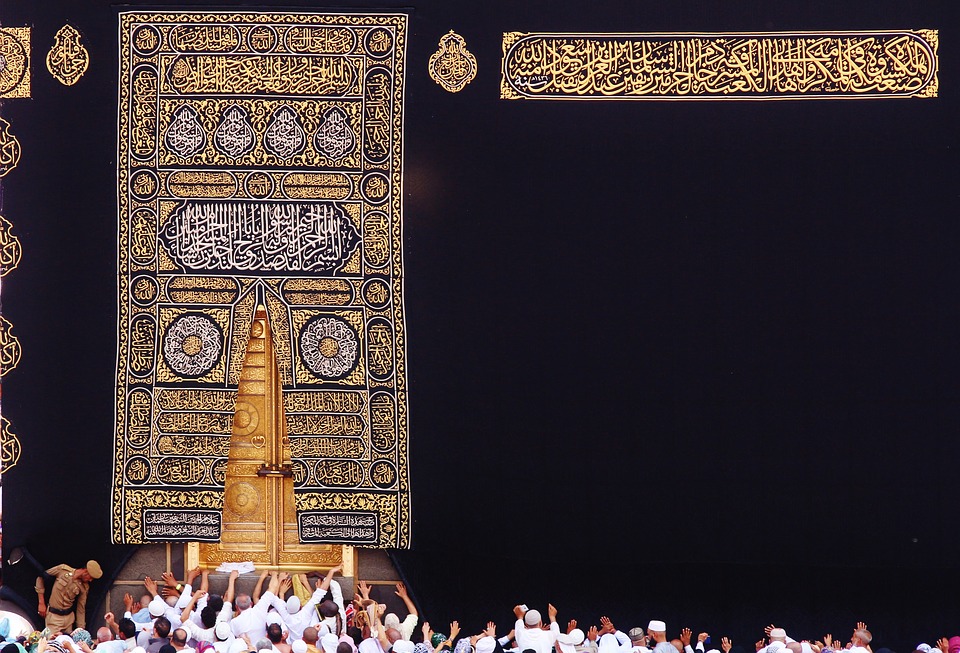
The fifth and the last pillar of Islam is Hajj. It is the pilgrimage to the holy city of Makkah. It is an obligation of the Almighty on all eligible Muslims to perform this pilgrimage. If you qualify, it is time to become one of the UK Muslims going for the Hajj soon and book your Hajj packages.
Meaning & Significance of Hajj
The unity and submission that Hajj teaches are unparalleled. As millions gather at the pilgrimage sites in Makkah every year, they respond to the call of the Almighty and submit entirely to Him. Everyone at the pilgrimage sites wears the same attire and stands before the Creator for the same purpose. It shows us that everyone is equal in the eyes of the Almighty. There are many other lessons that this pilgrimage teaches the Muslims.
Evidence From Qur’an & Sunnah
In the Holy Qur’an, Allah Almighty says:
- “And Hajj to the House is a duty owed to Allah by mankind—those who can afford the journey.” (Qur’an 3:97)
The Prophet (ﷺ) said:
- “Whoever performs Hajj and avoids indecent speech and wrongdoing will return (sin-free) like the day his mother gave birth to him.” (Bukhari)
Final Words
The five pillars of Islam are not just obligations but a spiritual system designed by the Creator to maintain balance in this world. These pillars nurture the believers’ hearts and uplift the society. By following each pillar, you get a lot closer to the Almighty and get a chance to strengthen your relationship with Him.